
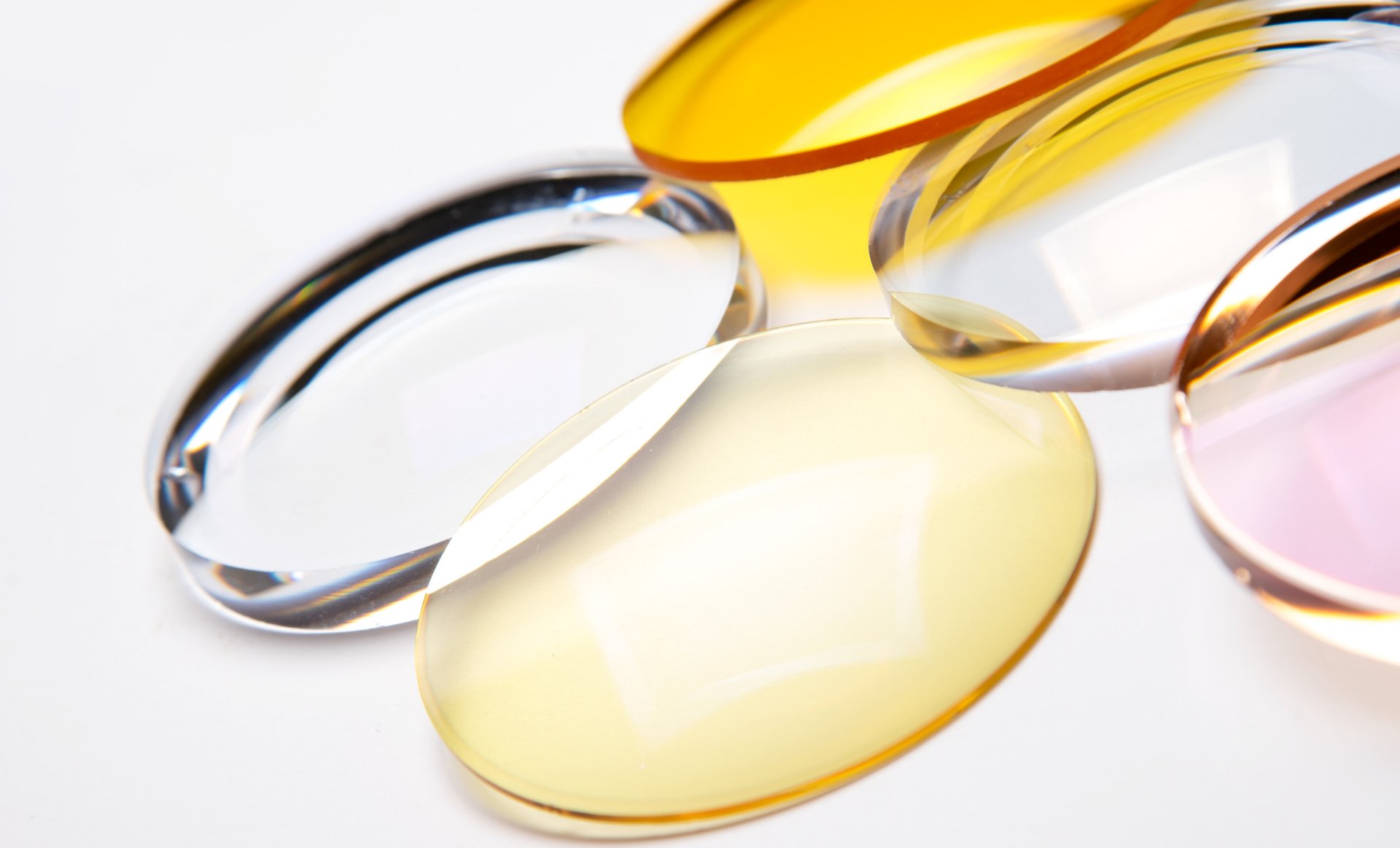
Lens Types and Technology
From progressive lenses to blue light protection, Edge Optics offers advanced lens types and technology tailored to your vision and lifestyle.
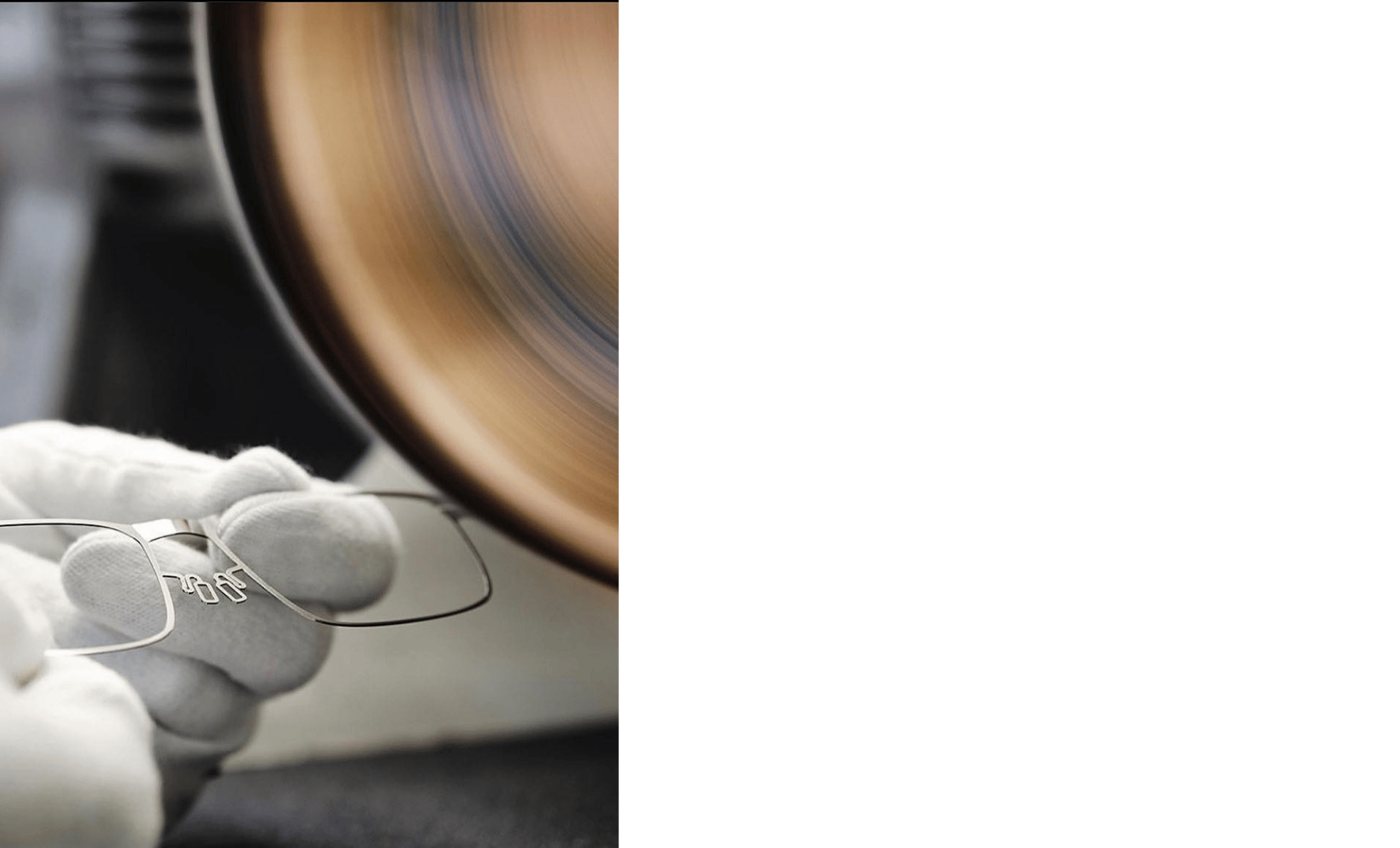
Your Lens Experts
At Edge Optics, we believe that the right lens technology can transform your eyewear experience, not just correcting your vision but enhancing comfort, clarity, and protection. Whether you need single-vision lenses, progressive (no-line multifocal) designs, high-index materials for thinner profiles, or advanced coatings like blue-light filters and photochromic (light-adaptive) treatments, our experts will help you choose the ideal lens based on your prescription, daily lifestyle, and visual habits.
Your Lens Experts
At Edge Optics, we believe that the right lens technology can transform your eyewear experience, not just correcting your vision but enhancing comfort, clarity, and protection. Whether you need single-vision lenses, progressive (no-line multifocal) designs, high-index materials for thinner profiles, or advanced coatings like blue-light filters and photochromic (light-adaptive) treatments, our experts will help you choose the ideal lens based on your prescription, daily lifestyle, and visual habits.
Different Types of Eyewear Lenses
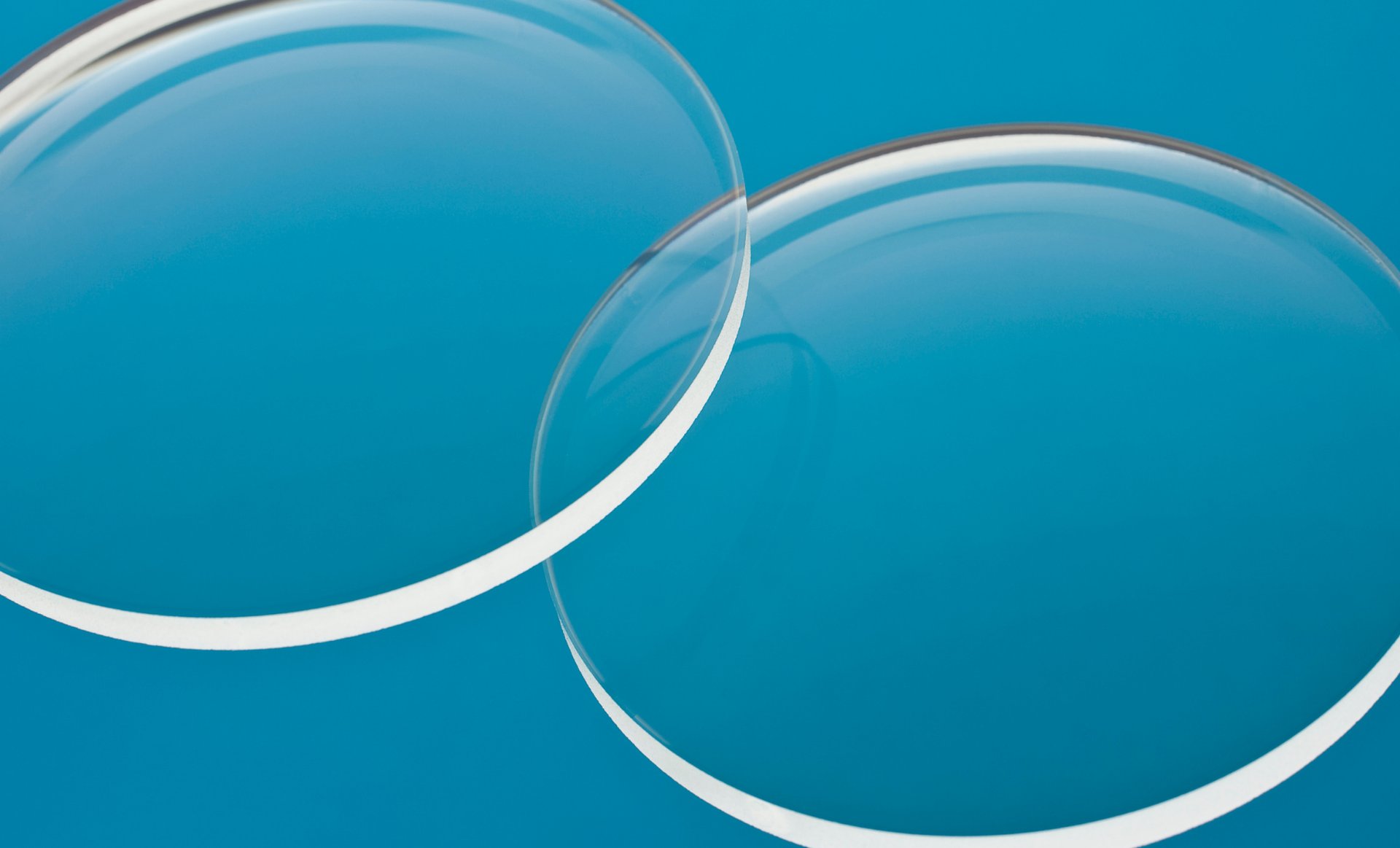
Lens types describe how corrective power is arranged. Single-vision lenses correct one distance; bifocals and trifocals give distinct areas for near and far tasks; and progressives (no-line lenses) offer a smooth ramp from distance to near.
Each design positions refractive power where your eye needs it, which affects clarity, how long it takes to adapt, and appearance. Knowing these categories helps you match lens form to conditions like myopia, hyperopia, presbyopia, and astigmatism. The sections that follow compare single-vision, progressive, and multifocal lenses and link those options to everyday vision needs.
Different Types of Eyewear Lenses
Lens types describe how corrective power is arranged. Single-vision lenses correct one distance; bifocals and trifocals give distinct areas for near and far tasks; and progressives (no-line lenses) offer a smooth ramp from distance to near.
Each design positions refractive power where your eye needs it, which affects clarity, how long it takes to adapt, and appearance. Knowing these categories helps you match lens form to conditions like myopia, hyperopia, presbyopia, and astigmatism. The sections that follow compare single-vision, progressive, and multifocal lenses and link those options to everyday vision needs.

Lens Types at A Glance
Understanding which lens design fits your vision and lifestyle can make a big difference in comfort and clarity. Here's a quick breakdown:
Single Vision Lenses
Best for: Nearsightedness (myopia) or farsightedness (hyperopia)
What they do: Provide clear focus at one distance—either up close, far away, or in between
Why choose them: Simple, straightforward optics for everyday use
Progressive Lenses (No-Line Multifocals)
Best for: Presbyopia or anyone who needs help seeing at multiple distances
What they do: Blend distance, intermediate, and near vision in one lens—without visible lines
Why choose them: Smooth, natural transitions from looking far away to reading up close
Bifocal & Trifocal Lenses
Best for: Presbyopia with distinct tasks (like reading and driving)
What they do: Provide defined segments for near and distance vision (bifocal) or near, intermediate, and distance (trifocal)
Why choose them: Easy to know exactly where to look for each task
Occupational / Task-Specific Lenses
Best for: Computer users, desk work, crafting, or other jobs with specific visual demands
What they do: Offer wider intermediate and near zones tailored to your work environment
Why choose them: Reduce eye strain and improve clarity for the tasks you do most
Not sure which lens type is right for you? The team at Edge Optics in Fort Collins can help you choose based on your prescription, daily activities, and comfort preferences.

How Lenses Are Made
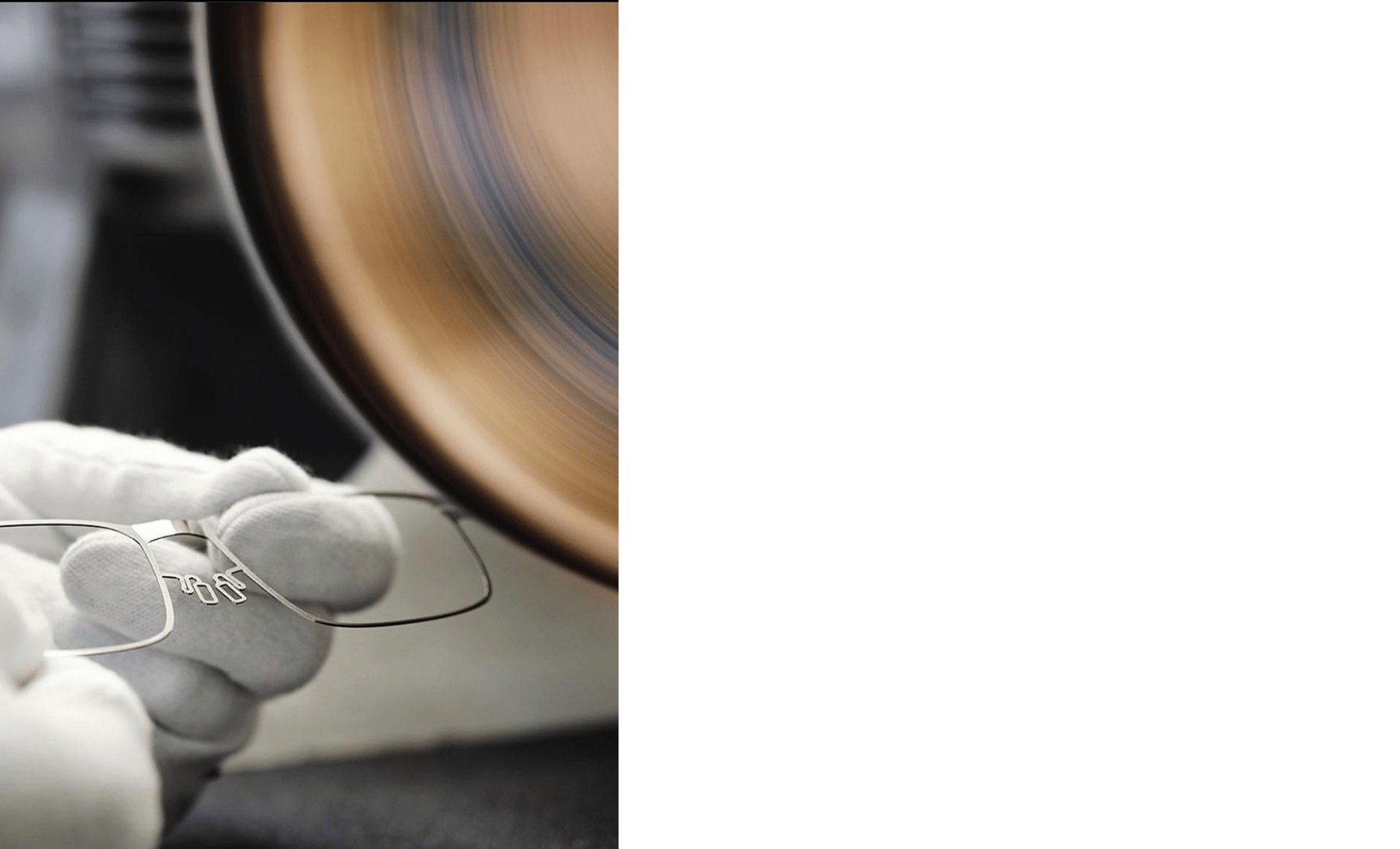
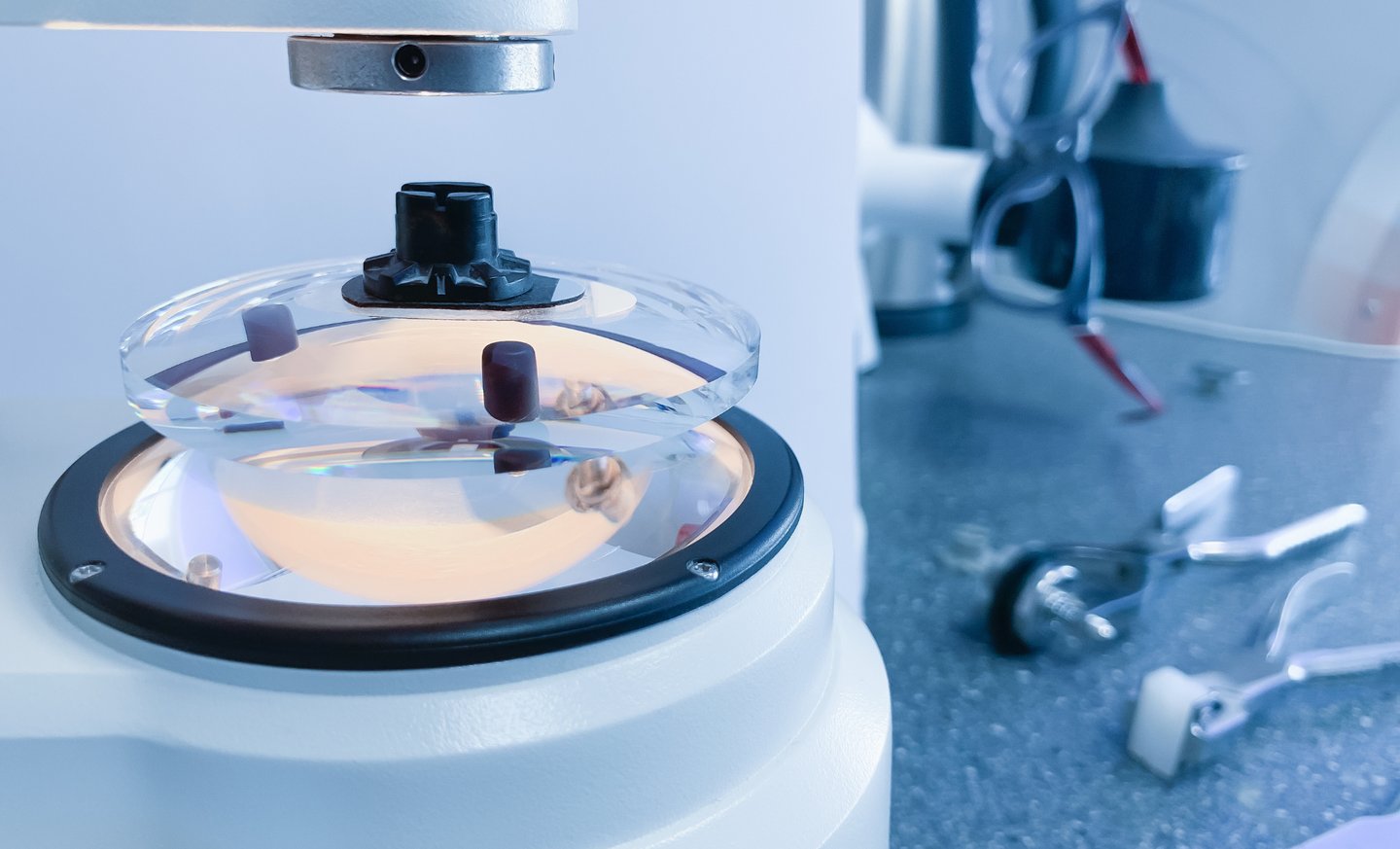
At Edge Optics in Fort Collins, we make your eyeglasses lenses right in our store-ensuring accuracy and clear vision. Watch this video to see how it's done.

Advanced Lens Materials: Comfort, Durability, and Clarity
High-Index Lenses
Key features: Thinner and lighter than standard lenses
Best for: Strong prescriptions (high myopia or hyperopia) where regular lenses would be thick and heavy
Why choose them: Slimmer profile, more frame options, and better aesthetics for higher Rx
Polycarbonate Lenses
Key features: Highly impact-resistant and lightweight
Best for: Kids, athletes, active lifestyles, and safety eyewear
Why choose them: Durable enough to handle drops, sports, and rough use—built-in UV protection
Trivex Lenses
Key features: Impact-resistant with excellent optical clarity, very lightweight
Best for: Safety glasses, premium sports eyewear, and anyone who wants top-tier optics with durability
Why choose them: Combines the best of both worlds—sharp vision and strong protection
Standard Plastic (CR-39) Lenses
Key features: Good optical quality at a lower price point
Best for: Low-to-moderate prescriptions and budget-conscious wearers
Why choose them: Affordable and effective for everyday use—though thicker and less impact-resistant than other options
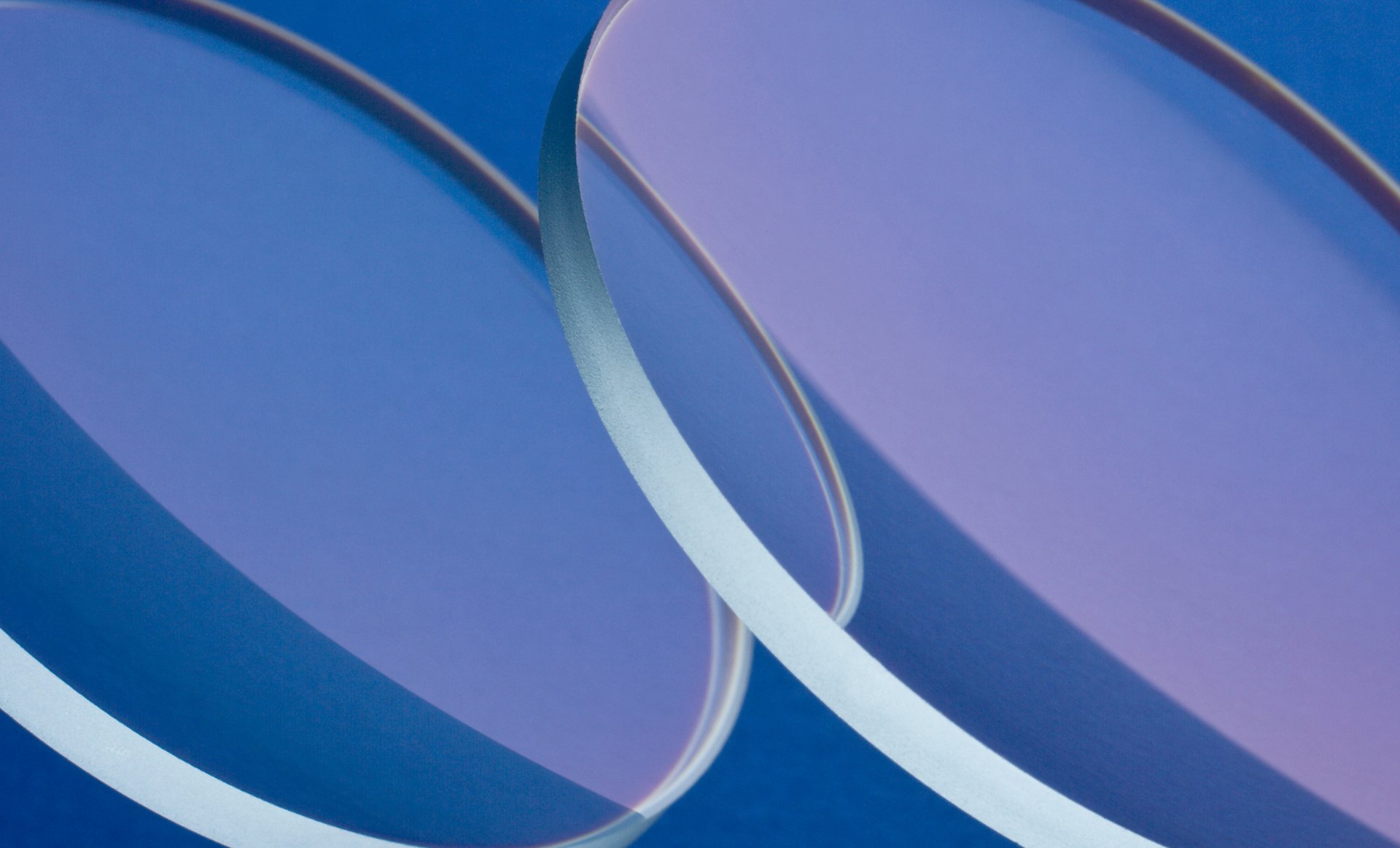
The material your lenses are made from affects more than you might think—weight, thickness, impact resistance, and optical clarity all depend on it. The right material can make your glasses lighter, thinner, safer, and more comfortable for all-day wear. Here's what to know about each option:
Keep in mind: Lens material also affects which coatings you can add and how lenses fit in certain frame styles. The team at Edge Optics in Fort Collins can help you match the right material to your prescription, lifestyle, and safety needs.

Tinted Lens Types
Brown and Grey tints are the most chromatic neutral tints, meaning they will not distort the actual color of objects. Brown lenses like yellow tints have a higher absorption of shorter visible wavelengths(blue light), which is responsible for most light scatter, thereby increasing contrast sensitivity on a hazy, smoggy, snowy, or overcast day.
Tinted Lens Types
Brown and Grey tints are the most chromatic neutral tints, meaning they will not distort the actual color of objects. Brown lenses like yellow tints have a higher absorption of shorter visible wavelengths(blue light), which is responsible for most light scatter, thereby increasing contrast sensitivity on a hazy, smoggy, snowy, or overcast day.
Anti-Reflective (AR) Coating
What it does: Reduces reflections and glare on the lens surface
Best for: Night drivers, photographers, and anyone who spends a lot of time in front of screens
Why choose it: Boosts contrast, reduces eye strain, and makes your lenses nearly invisible to others


Lens Coatings & Enhancements for Better Vision
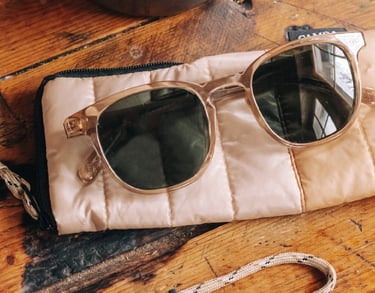
Coatings and enhancements fine-tune your lenses for real-life use—reducing glare, blocking harmful light, adapting to changing conditions, and protecting your eyes. The right combination can make a noticeable difference in comfort, clarity, and how long your lenses last.
Here's a breakdown of the most common options:



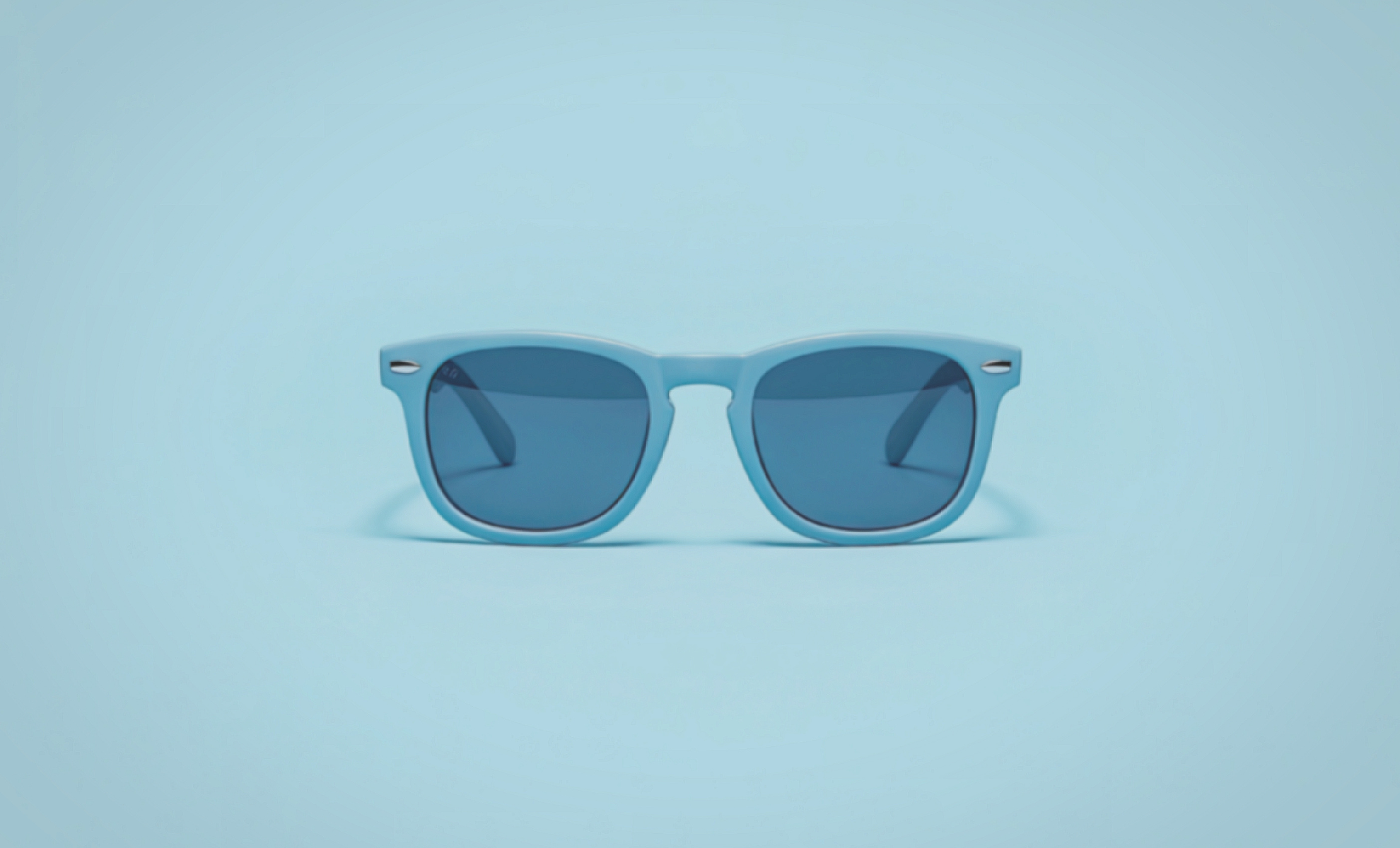
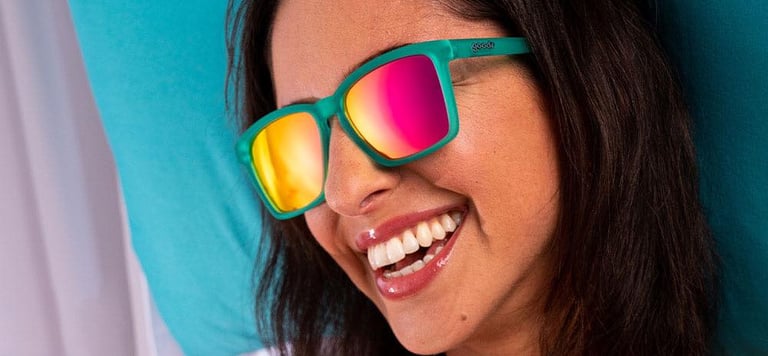


Not sure which coatings you need? The team at Edge Optics in Fort Collins can recommend the right combination based on your daily activities, work environment, and lifestyle.
Blue Light Filter
What it does: Reduces short-wavelength blue light from screens and digital devices
Best for: Heavy computer, phone, and tablet users
Why choose it: May reduce digital eye strain and improve comfort during long screen sessions
Scratch-Resistant Coating
What it does: Hardens the lens surface to resist everyday wear and abrasions
Best for: Everyday wearers who want their lenses to last longer
Why choose it: Protects your investment and keeps lenses clear over time
Photochromic Lenses (Light-Adaptive)
What it does: Automatically darkens outdoors in UV light, then clears up indoors
Best for: People who move frequently between indoors and outdoors
Why choose it: Convenience of glasses and sunglasses in one—no switching required
Polarized Lenses
What it does: Blocks horizontal glare from reflective surfaces like water, snow, and roads
Best for: Hikers, drivers, skiers, and water sport enthusiasts
Why choose it: Sharper vision and reduced eye fatigue in bright, reflective conditions
UV Protection
What it does: Blocks harmful UVA and UVB radiation from the sun
Best for: All outdoor enthusiasts—especially important at Colorado's high elevation
Why choose it: Protects your eyes from long-term sun damage, including cataracts and macular degeneration

With so many lens types, materials, and coatings to choose from, finding the right combination can feel overwhelming. Single vision or progressive? High-index or polycarbonate? Anti-reflective, blue light filter, photochromic—or all three?
Don't worry—you don't have to figure it out alone.
At Edge Optics in Fort Collins, our experts will walk you through every option and help you find lenses that actually work for your life. No guesswork, no confusion, no regrets.
Let Edge Optics Help You Choose
With so many lens types, materials, and coatings to choose from, finding the right combination can feel overwhelming. Single vision or progressive? High-index or polycarbonate? Anti-reflective, blue light filter, photochromic—or all three?
Don't worry—you don't have to figure it out alone.
At Edge Optics in Fort Collins, our experts will walk you through every option and help you find lenses that actually work for your life. No guesswork, no confusion, no regrets.
Let Edge Optics Help You Choose
What Our Team Will Ask You
To recommend the right lenses, we'll learn about:
Your daily activities (computer use, driving, outdoor recreation)
Your prescription strength and vision needs
Any past issues with lenses (trouble adapting, eye strain, discomfort)
Your environment (high altitude, glare, reflective surfaces)
Your frame and style preferences (lightweight, thin profile, durability)
From there, we'll match you with the right lens design, material, and coatings—so everything works together for your lifestyle.
Ready to Find Your Perfect Lenses?
Skip the confusion. Schedule a lens consultation at Edge Optics in Fort Collins and let our experts guide you to the right lens technology for your vision, your activities, and your life.


Frequently asked questions
What factors does Edge Optics' opticians consider when choosing lens coatings for me?
We start with how you spend your day. If you drive at night, anti-reflective coatings help by cutting glare. If you work long hours at a screen, a blue-light filter plus AR can ease digital fatigue. If you’re outdoors a lot, make UV protection and either photochromic or polarized options priorities. Match coatings to activity and environment to get the best everyday result. Our expert opticians will ask you lifestyle questions to ensure you get the right lens to fit your needs.
How will your team know if I need specialized lenses for my profession?
We will ask you whether your work requires prolonged fine focus or specific viewing distances. Jobs with lots of screen time or bench work benefit from occupational lenses with larger intermediate zones. Drivers and outdoor professionals may need polarized or impact-resistant lenses. A quick consult with one of our eye care professionals at Edge Optics can pinpoint the lens design that suits your job demands.
Can children benefit from advanced lens technologies?
Absolutely. Children gain safety and durability from impact-resistant options like polycarbonate, and UV protection is important for growing eyes. Blue-light filters make sense as kids use screens more for learning and play. Be sure to maintain consistency with your child's regular eye exams at Edge Optics so lenses evolve with their needs.
What are the advantages of polarized lenses for outdoor activities?
Polarized lenses cut glare from horizontal surfaces like water, snow, and roads, improving comfort, contrast, and perceived depth. They’re especially useful for driving, fishing, skiing, and any activity involving reflective surfaces. For those who spend a lot of time in bright, reflective environments, polarized lenses greatly improve visibility and comfort.
How often should I update my eyewear prescription?
We generally recommend checking your prescription every one to two years, or sooner if you notice vision changes. Age, lifestyle shifts, or new visual symptoms can mean you need updates more frequently. Regular eye exams keep your prescription current and catch health issues early.
What should I expect during a lens fitting appointment?
During a fitting we’ll verify your prescription, measure how your frames sit on your face, and set lens zones for progressives or occupational designs. We’ll review material and coating choices based on your routine and comfort goals, then make any frame adjustments needed. The result is eyewear that looks right and performs the way you expect.
Loveland
602 N Cleveland Ave
Loveland, CO 80537
CONTACT US - FORT COLLINS
Phone: (970) 682-2627
Fax: (970) 682-1835
HOURS OF OPERATION
Tuesday - Friday
9:00 am - 6:00pm
Saturday
10:00 am - 4:00 pm
Sunday & Monday
CLOSED

Fort Collins
121 Laporte Ave
Fort Collins, CO 80524
OUR LOCATIONS
HOURS OF OPERATION
Monday - Friday
9:00 am - 6:00 pm
Saturday
10:00 am - 4:00 pm
Sunday
CLOSED
CONTACT US - LOVELAND
Phone: (970) 798-3343
Fax: (970) 913-0880