
Myopia: Why Early Detection and Myopia Control Matter More Than Ever
As Myopia Awareness Week approaches next week, the team at Edge Optics is taking time to help educate families about a condition that is becoming increasingly common in children around the world: Myopia, also known as nearsightedness.
EYE EXAMSGLASSESMYOPIA
Walker Armstrong
5/20/20263 min read
Myopia: Why Early Detection and Myopia Control Matter More Than Ever
As Myopia Awareness Week approaches next week, the team at Edge Optics is taking time to help educate families about a condition that is becoming increasingly common in children around the world: Myopia, also known as nearsightedness.
Myopia is more than simply needing glasses to see far away. Research over the last decade has shown that progressive myopia can increase the risk of serious eye health conditions later in life, including retinal detachment, glaucoma, cataracts, and myopic macular degeneration. Because of this, eye care professionals today focus not only on correcting blurry vision, but also on helping slow the progression of myopia whenever possible.
What Is Myopia?
Myopia occurs when the eye grows too long from front to back, causing light to focus in front of the retina instead of directly on it. This makes distant objects appear blurry while close-up vision may remain clear.
Children with myopia may:
Squint to see far away
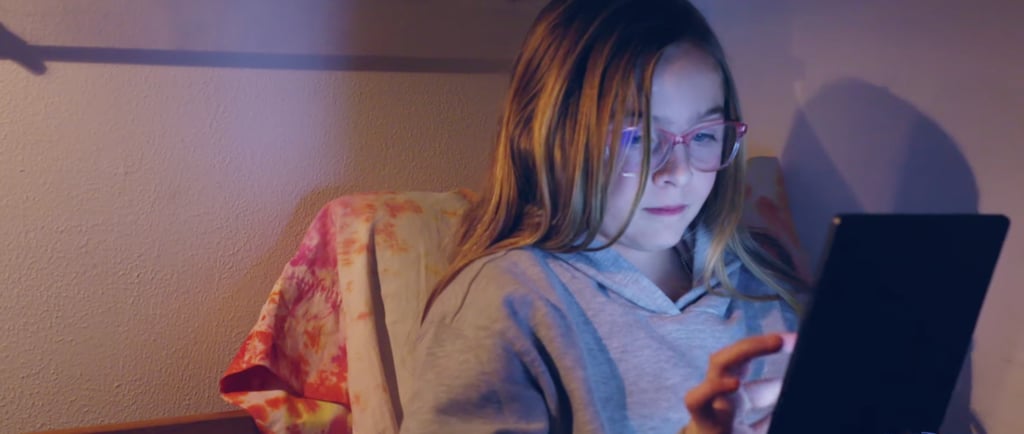
Sit very close to screens
Move closer to the TV
Complain of headaches
Struggle to see the board at school
Blink or rub their eyes frequently
Myopia often begins during school-age years and can continue progressing throughout childhood and adolescence. According to global estimates, nearly half of the world’s population may be myopic by 2050 if current trends continue.
Why Myopia Awareness Week Matters
Myopia Awareness Week was created to help parents and communities better understand the growing prevalence of childhood myopia and the importance of early eye examinations. The 2026 campaign theme, “Start early, protect vision for life,” emphasizes the importance of detecting myopia early and intervening before progression becomes more significant.
One of the biggest misconceptions about myopia is that stronger glasses are simply an unavoidable part of growing up. While genetics do play a role, modern research shows that there are evidence-based treatments that may help slow progression in many children.
What Is Myopia Control?
Myopia control refers to treatments designed to slow the progression of nearsightedness in children. The goal is not only to reduce prescription changes, but also to help lower the long-term risk of eye disease associated with high myopia later in life.
Today, several clinically supported approaches are used in myopia management, including:
Low-Dose Atropine Eye Drops
Low-dose atropine drops are commonly prescribed to help slow myopia progression in children. Studies reviewed by the American Academy of Ophthalmology have shown that atropine can reduce the rate of worsening myopia, especially at lower concentrations that minimize side effects.
Multifocal Soft Contact Lenses
Specialized multifocal contact lenses designed for myopia management can help slow eye elongation while also providing clear vision. Recent evidence reviews continue to support their effectiveness in many pediatric patients.
Orthokeratology (Ortho-K)
Orthokeratology lenses are specially designed rigid lenses worn overnight to gently reshape the cornea while sleeping. Research has shown that Ortho-K may help slow myopia progression in children when properly monitored by an eye care professional.
Lifestyle and Outdoor Time
Increased outdoor activity has consistently been associated with a lower risk of developing and progressing myopia in children. Many experts recommend encouraging children to spend more time outdoors each day and take regular breaks during prolonged near work or screen use.
Early Eye Exams Make a Difference
One of the most important things parents can do is schedule regular comprehensive eye exams for their children. Many kids do not realize their vision is blurry because they assume everyone sees the same way they do.
At Edge Optics, we believe education and early detection are key. During Myopia Awareness Week and throughout the year, we encourage families to stay proactive about their child’s eye health and ask questions about whether myopia management may be appropriate for them.
Every child’s eyes are different, and treatment recommendations depend on factors like age, prescription changes, eye growth, lifestyle, and overall ocular health.
Helping Families Protect Vision for the Future
As awareness around myopia continues to grow, so does our ability to help protect long-term vision through early intervention and personalized care.
This Myopia Awareness Week, we encourage parents to:
Schedule annual eye exams for school-aged children
Watch for signs of blurry distance vision
Encourage more outdoor time
Ask about modern myopia management options
Clear vision today is important, but protecting lifelong eye health is even more important.
To learn more about pediatric eye care and myopia management, visit Edge Optics or schedule an appointment with our team.
Loveland
602 N Cleveland Ave
Loveland, CO 80537
CONTACT US - FORT COLLINS
Phone: (970) 682-2627
Fax: (970) 682-1835
HOURS OF OPERATION
Tuesday - Friday
9:00 am - 6:00pm
Saturday
10:00 am - 4:00 pm
Sunday & Monday
CLOSED

Fort Collins
121 Laporte Ave
Fort Collins, CO 80524
OUR LOCATIONS
HOURS OF OPERATION
Monday - Friday
9:00 am - 6:00 pm
Saturday
10:00 am - 4:00 pm
Sunday
CLOSED
CONTACT US - LOVELAND
Phone: (970) 798-3343
Fax: (970) 913-0880